|
|
|
|
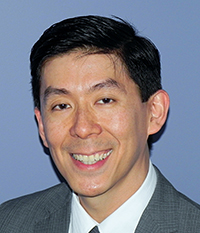 Professor Hui Gan Professor Hui GanChair
Prof Hui Gan graduated from Melbourne University with a Bachelor of Medicine and Surgery (MBBS). He is a Fellow of the Royal Australasian College of Physicians. He completed a Fellowship in Drug Development at the Princess Margaret Hospital (Toronto, Canada). He obtained his PhD from Melbourne University focusing on the development of a novel class of tumour-specific anti-EGFR antibodies. Currently, he leads the following programs at Austin Health: head and neck cancer, primary brain tumours and Phase 1 clinical trials. Since 2016, he has been the head of the Cancer Clinical Trials Unit at Austin Health (Melbourne, Australia). In 2018, he became both the Chair of the Scientific Advisory Committee of COGNO and the VCCC Research Lead and Education Lead for Brain Cancer. Since 2019, he has been the Co-Director of the Olivia Newton-John Cancer Research Institute (ONJCRI) Centre for Research Excellence in Brain Tumours. In 2020, he was appointed Clinical Research Lead across the ONJCRI.
He is an internationally recognized trial investigator. He has been involved with 10 drugs from ONJCRI that were successfully commercialised and continues to create and commercialise novel antibody therapeutics. In particular, he led the development of mAb806, subsequently developed into ABT-414, from the laboratory to registrational Phase 3 studies in GBM. He has led a total of 46 trials since 2009. Of these, 22 were industry Phase 1 studies and 14 were brain cancer trials. He has successfully conceived and/or funded 11 investigator studies. He has > 80 publications to date including in Nature, Journal of Clinical Oncology and Neuro-Oncology. He has had grant success in excess of 11 million dollars.
|
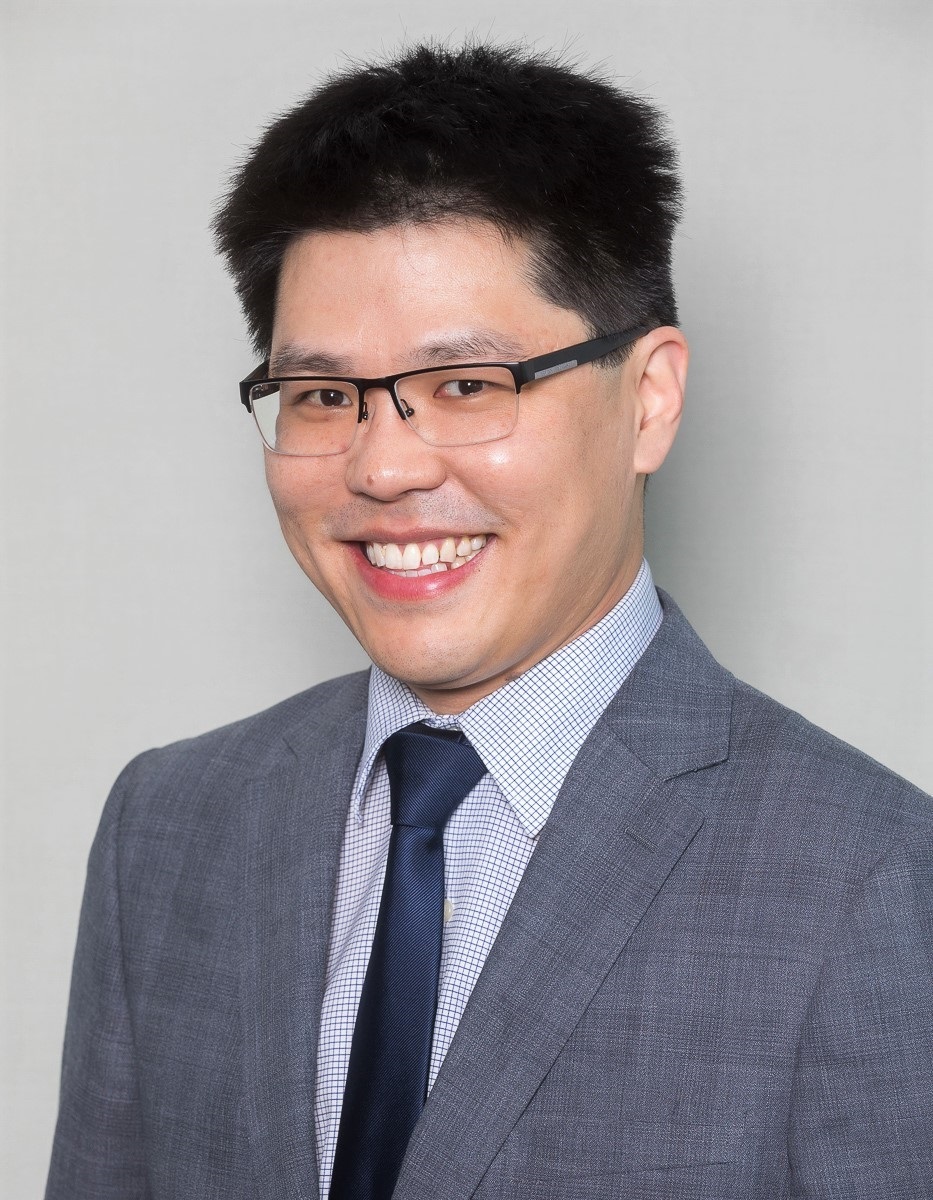 Associate Professor Hao-Wen Sim Associate Professor Hao-Wen Sim
A/Prof Hao-Wen Sim is a consultant Medical Oncologist based
at The Kinghorn Cancer Centre and Chris O’Brien Lifehouse in Sydney. In
addition, he is a Clinical Lead at the NHMRC Clinical Trials Centre and
Chair of the COGNO International Clinical Research Subcommittee.
A/Prof Sim contributes his subspecialty expertise and
leadership in neuro-oncology and biostatistics. He received his medical
degree with Honours from The University of Melbourne, being awarded the
James Stewart Bequest for Surgery and inducted to the Margaret Whyte
Honour Board. He completed his Master of Biostatistics from The
University of Sydney, being awarded the Biostatistics Collaboration of
Australia Star Graduate Award, Judy Simpson Biostatistics Scholarship,
Les Irwig General Epidemiology Award and Australasian Epidemiological
Association Top Student Prize. He also completed neuro-oncology
fellowship at The Princess Margaret Cancer Centre in Toronto, Canada.
His research focus is the development and operationalisation of
innovative neuro-oncology trials. He has received multiple research
awards and peer-reviewed national funding.
|
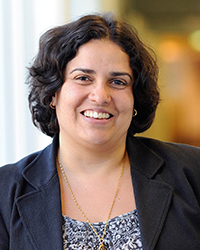 Professor Meera Agar Professor Meera Agar
Prof Meera Agar is Professor of Palliative Medicine, Centre for Cardiovascular and Chronic Disease, University of Technology Sydney. She is a Palliative Medicine Physician and is the research lead for the South West Sydney Palliative Care Clinical Trials unit and the Clinical trials director, Ingham Institute of Applied Medical Research. Her research interests include delirium in advanced cancer, dementia end-of-life care, pharmacological and health service randomised controlled trials in palliative care and neuro-oncology supportive and palliative care research. She is the Chair of ImPACCT (Improving Palliative Care through Clinical Trials), the NSW collaborative trials group in palliative care.
|
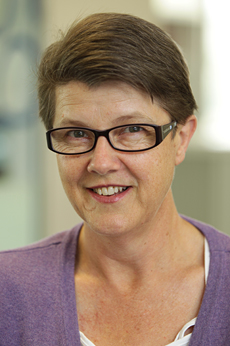 Ms Liz Barnes Ms Liz Barnes
Ms Liz Barnes is a biostatistician and research fellow at the NHMRC
Clinical Trials Centre, University of Sydney. She works on clinical
trials and analysis of trial data in oncology and cardiovascular
medicine. She is co-ordinator of units in the Master of Biostatistics
(biostatistics Collaboration of Australia) and the Masters in Clinical
Trials Research (University of Sydney) and currently provides a
statistical consulting service at the Kids Research Institute at the
Children’s Hospital, Westmead.
|
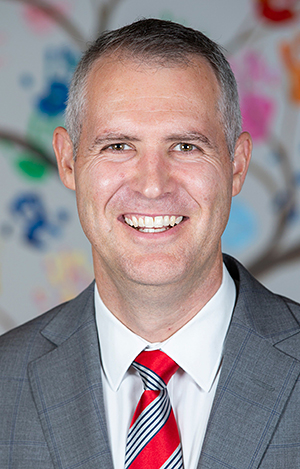 Professor Bryan Day Professor Bryan Day
Prof Bryan Day holds a PhD from the University of Queensland
and is Group Leader of the Sid Faithfull Brain Cancer Research
Laboratory at the QIMR Berghofer Medical Research Institute. He and his
team focus on the most common and aggressive form of brain cancer,
Glioblastoma (GBM) in adults and the most common brain cancer in
children, Medulloblastoma. He currently sits on the Directorship for the
Children’s Hospital Foundation, Centre for Child and Adolescent Brain
Cancer Research. He is also on the Scientific Advisory Committee for the
Cooperative Trials Group for Neuro-Oncology (COGNO) and Steering
Committee for Brain Cancer Biobanking Australia. Additionally, he is a
past Director for the Australian Society of Medical Research (ASMR).
|
|
Ms Narelle Dickinson
Photo and bio available shortly.
|
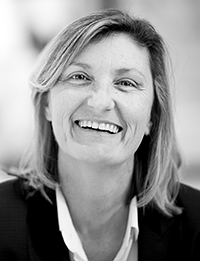 Professor Kate Drummond Professor Kate Drummond
Prof Kate Drummond, AM, MD, MBBS, FRACS, graduated from the University of Sydney in 1988 and trained in Neurosurgery in Sydney and Melbourne. She furthered her training with both clinical and research fellowships in Neuro-oncology at Brigham and Women’s Hospital/Harvard University in Boston. She was awarded an MD from the University of Melbourne in 2008. She is Director of Neurosurgery at The Royal Melbourne Hospital and Head of Central Nervous System Tumours for the VCCC Parkville Precinct. Her chief research and clinical interests are in the biology and clinical management of brain tumours. She has published more than 100 peer-reviewed articles, many book chapters and is frequently invited to speak nationally and internationally. She has received more than $9,000,000 in grant funding for her research.
She is the former chair of the Neuro-oncology Committee of the Victorian Cooperative Oncology Group for the Cancer Council Victoria and serves on the committees of a number of national cancer and brain tumour groups, including the Neuro-Oncology Committee of the Clinical Oncological Society of Australasia and the Cooperative Trials Group for Neuro-Oncology. She supports community groups and charities advocating for patients with brain tumours and their families.
She is Neurosurgery Editor of the Journal of Clinical Neuroscience and Chief Examiner in Neurosurgery for the Royal Australasian College of Surgeons. She is Deputy-Chair (formerly chair) of the Royal Australasian College of Surgeons, Section of Women in Surgery, and has received the RACS Medal for Services to RACS. She is Chair of Pangea Global Health Education, a not-for-profit organisation specialising in health education in low resource settings and Vice President of the Asian Australasian Society of Neurological Surgeons.
In 2019 she was awarded Member of the Order of Australia (AM) for services to medicine, particularly in the field of neuro-oncology and community health.
|
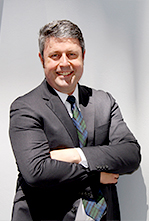 Associate Professor Craig Gedye Associate Professor Craig Gedye
A/Prof Craig Gedye has trained as a medical oncologist, clinical trialist and basic science researcher. A/Prof Gedye works for people suffering melanoma, brain, kidney, prostate, testis, and bladder cancer at the Calvary Mater Newcastle. He is the Director for HMRI Clinical Trials, and the Clinical Research Director at the NSW Health Statewide Biobank. He is grateful to chair the Renal Cancer Subcommittee for ANZUP Cancer Trials Group, and to lead several investigator-sponsored trials for ANZUP and COGNO. His research focus is on cancer heterogeneity; why treatments work for some patients but not others, which leads to questions and challenges that span the translational spectrum from basic science through translational and clinical trials research, to patient experience and implementation.
|
 Associate Professor Liz Hovey Associate Professor Liz Hovey
A/Prof Hovey is a Senior Staff Specialist in Medical
Oncology at Prince of Wales Hospital (POWH), Conjoint Senior Lecturer at
UNSW and Honorary Associate of the University of Sydney. After
completing advanced training at Royal Prince Alfred Hospital, she
completed further post-graduate training at Columbia-Presbyterian
Medical Centre, New York, NY, USA (1998-2001) during which time she was
the recipient of a full scholarship to complete a Master of
Biostatistics in Patient-Oriented Research at Columbia University School
of Public Health (1999-2001). Prior to her 2007 appointment at Prince
of Wales Hospital she was a medical oncologist at Liverpool Hospital.
Liz’s main areas of expertise and research interest are
neuro-oncology, genitourinary oncology and geriatric oncology. She is
currently COGNO’s Secretary/Operations Executive Member, and was previously Chair of COGNO’s SAC (Scientific Advisory Committee).
She was a previous Chair of the COSA (Clinical Oncological Society of
Australia) Neuro-oncology Group after 2 elected terms (2006-2010);
Co-Founder and current Co-Chair of the NSW Neuro-oncology Group
(alongside Dr Parkinson) at the NSW Cancer Institute. She was the
Project Officer for the development of “Australian Clinical Practice
Guidelines for the Management Adult Gliomas: Astrocytomas and
Oligodendrogliomas” on behalf of Australian Cancer Network, and was on
the Working Party and Co-Editor of the subsequent matching Consumer
Guidelines. In 2014 she was the co-author of a chapter for the US
textbook “Neuro-Oncology” (editors: Mark Bernstein/Mitchel Berger). She
is an inaugural member of the Editorial Board of Neuro-Oncology Practice
(published by Oxford Press) as well as being a Review Editor for
“Frontiers in Neuro-Oncology” and a neuro-oncology reviewer for Asia
Pacific Journal of Clinical Oncology.
In 2013 she was an invited COSA ASM plenary speaker speaking
on the topic of elderly patients with glioma; in 2014 she was the
keynote speaker for New Zealand Cancer Society (giving 12 talks around
New Zealand on the topic of brain tumours) and an invited speaker at a
WFNO (World Federation of Neuro-Oncology) Masterclass in Istanbul,
Turkey. In June 2015, she presented a Neuro-oncology Oral Presentation
at ASCO, presenting Part 2 results of the CABARET study on behalf of
COGNO co-investigators. She was the Co-Convenor of the 2016 COGNO-ASNO
ASM (& was also Convenor of the 2009 COGNO-COSA ASM).
She is the Australian CIA for the CODEL study for
oligodendroglioma patients (which secured Cancer Australia/NSWCC
funding) and is one of the CI’s for the upcoming Adult Medulloblastoma
study (with CANTEEN funding) including participating in the
International Steering Committee. She was the NSW CI on the NHMRC grant
for the previous EORTC Low Grade Glioma Study.
|
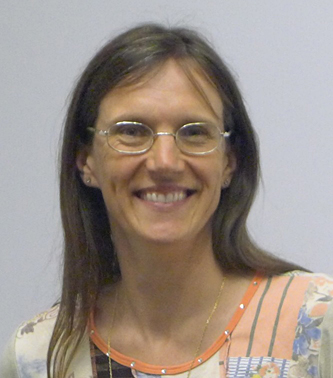 Associate Professor Lindy Jeffree Associate Professor Lindy Jeffree
A/Prof Lindy Jeffree was inspired to specialise in surgery of brain
tumours by working with Prof Andrew Kaye at the Royal Melbourne Hospital
and Dr Charlie Teo in Sydney. Her research experience includes glioma
research at the University of Sydney, an MSc in electrophysiology at the
University of Montreal and a B Med Sci year in the Physiological
Laboratory at the University of Cambridge. Currently she works full
time at the Royal Brisbane and Women’s Hospital, where she is privileged
to collaborate with a fabulous multidisciplinary neurooncology team,
and with translational scientists working on glioma and on metastatic
brain tumours.
|
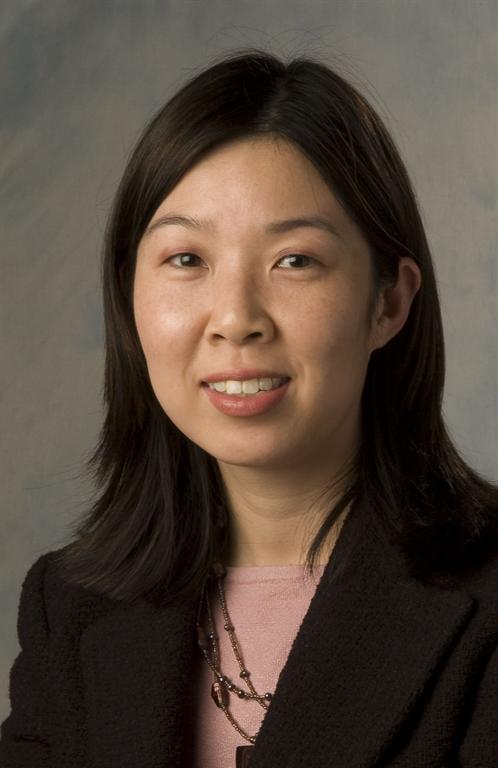 Associate Professor Eng-Siew Koh Associate Professor Eng-Siew Koh
A/Prof Koh is a consultant Radiation Oncologist based
at Liverpool Cancer Therapy Centre, Liverpool Hospital, NSW. She
qualified in Medicine at the University of Adelaide then completed her
specialty training at Westmead Hospital. She undertook a three year
Fellowship at the Princess Margaret Hospital, and the Hospital for Sick
Children, University of Toronto, Canada, in the areas of adult and
paediatric neuro-oncology and stereotactic radiotherapy, and also
haematologic and breast malignancies.
Her clinical and research interests include neuro-oncology
imaging, cognitive and behavioural sequelae in brain tumours, and
clinical neuro-oncology care coordination. A/Prof Koh has a particular
research interest in cancer survivorship and the study of late effects
of cancer treatment in both adult and paediatric cancer patients.
She is the current chair of the Clinical Oncological Society of
Australia (COSA) Neuro-oncology group and is the current chair of COGNO,
and member of the Scientific Advisory Committee.
|
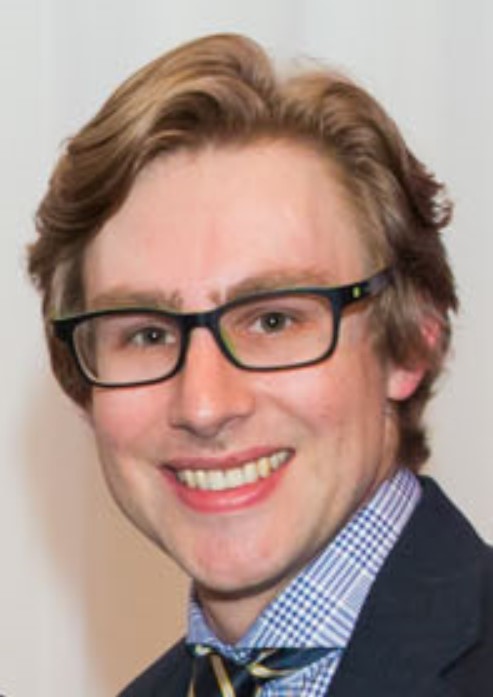 Dr Arian Lasocki Dr Arian Lasocki
Dr Arian Lasocki is a Neuroradiologist in the Department of Cancer Imaging at the Peter MacCallum Cancer Centre in Melbourne, where he is also the Head of Radiology Research and Co-Head of MRI. His main interests are in intracranial gliomas and intracranial metastatic disease, in particular metastatic melanoma. Arian has recently been awarded a Doctorate through the University of Melbourne, having investigated the preoperative MRI assessment of adult intracranial diffuse gliomas.
|
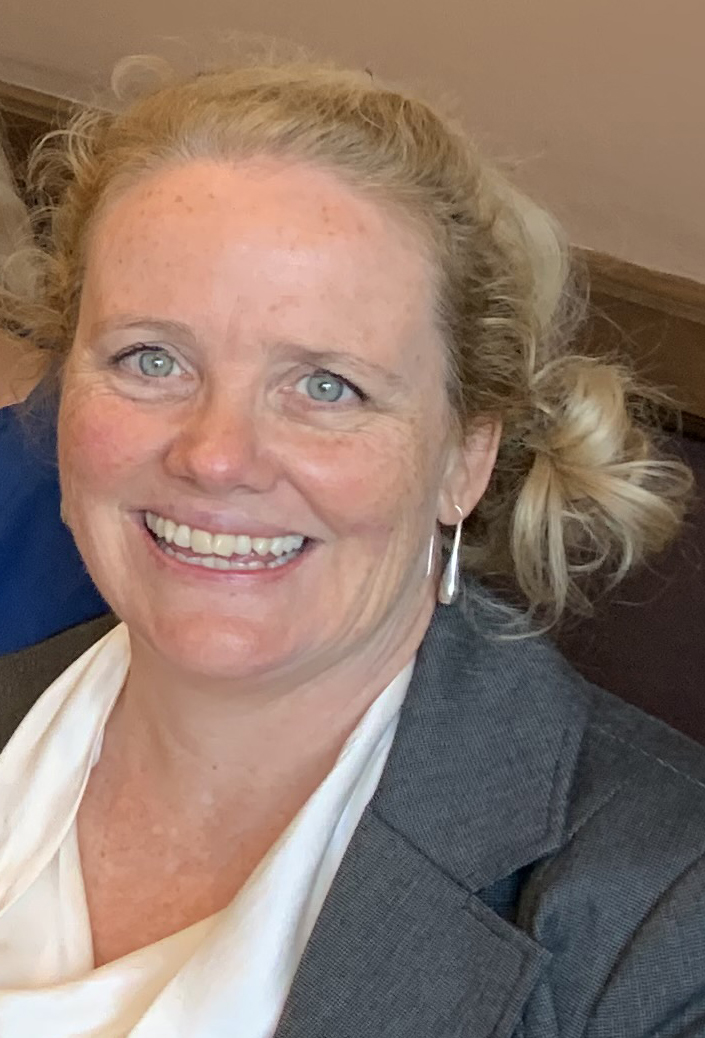 Professor Geraldine O’Neill Professor Geraldine O’Neill
Prof Geraldine O’Neill is Acting Head of the Children’s Cancer Research Unit at Kids Research, The Children’s Hospital at Westmead. Geraldine is Academic Leader, Basic Research, for the University of Sydney Faculty of Medicine and Health (Western Precinct) and additionally coordinates innovative new Cancer units of study at Westmead within the School of Medical Sciences, University of Sydney. Geraldine has a long-standing interest in the role of the tumour microenvironment in cancer progression and response to therapy, with a particular focus on the development of improved preclinical models for brain cancer. She completed her PhD at the Kolling Institute of Medical Research, University of Sydney and then undertook post-doctoral studies at Fox Chase Cancer Centre in Philadelphia, USA, returning to Australia with award of an NHMRC Howard Florey Post-doctoral Fellowship. Next, as NSW Cancer Council Career Development Fellow, she established a program of cancer cell biology research at Westmead. Among other roles, she is Acting Deputy Head of the Kids Cancer Alliance, Cancer Institute NSW Translational Cancer Research Centre and member of the Scientific Advisory Committee for the Children’s Hospital Foundation, Queensland.
|
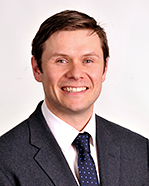 Associate Professor Mark Pinkham Associate Professor Mark Pinkham
A/Prof Mark Pinkham is a Radiation Oncologist based at the Princess Alexandra Hospital in Brisbane and Gamma Knife Centre of Queensland. He is an Adjunct Professor at Queensland University of Technology and a Honorary Associate at the NHMRC Clinical Trials Centre, University of Sydney. He graduated from Oxford University in 2005 and obtained a Masters in Physiology with Honours in the neurosciences from the same institution prior. He completed specialist training in Brisbane in 2014 and then undertook an 18-month Clinical Oncology fellowship in neuro-oncology and intracranial stereotactic radiosurgery at the Christie Hospital, UK. His clinical practice and research activities focus exclusively on caring for patients with primary and secondary brain tumours. He is clinical lead for the eVIQ brain metastases SRS protocols and Chair of the SRS working group within TROG, which aims to establish universal quality assurance standards for radiosurgery trials across Australia and New Zealand.
|
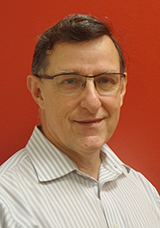 Associate Professor Michael Rodriguez Associate Professor Michael Rodriguez
A/Prof Michael Rodriguez is a neuropathologist based in Sydney. After completing his anatomical pathology training in Sydney and post fellowship training in neuropathology in Western Australia he spent the next decade in the USA, for 5 years as a research fellow with Prof Elias Lazarides in the Division of Biology at Caltech working on possible animal models for Alzheimer’s disease and subsequently at USC School of Medicine as a Visiting Assistant Professor of Research Pathology, as a Clinical Fellow in Pathology at Harvard Medical School and as a Research Fellow in Medicine at Massachusetts General Hospital characterizing brain degeneration mutants in the developing zebrafish brain. While in the US he also completed training and board certification in anatomical pathology and neuropathology. He subsequently returned to Sydney and until recently worked as a neuropathologist for the Department of Forensic Medicine. He is currently a consultant neuropathologist at St Vincent’s Hospital, Prince of Wales Hospital, Sydney Children’s Hospital and Douglass Hanly Moir Pathology. He is a Clinical Senior Lecturer at Macquarie University and an Honorary Associate of the University of Sydney.
Michael is passionate about fostering high quality diagnosis in surgical and autopsy neuropathology and has collaborated in tissue-based research projects in a number of fields including human neurogenesis, SIDS research, neurovirology, neuromuscular disorders, neuro oncology and neurodegenerative diseases. He is a member of the NSW neuro-oncology group and serves on a number of committees including the RCPA Anatomical Pathology Advisory Committee and the NSW Tissue Resource Centre Management Committee.
|
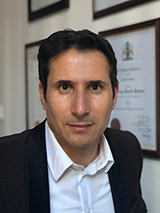 Associate Professor Jeremy Ruben Associate Professor Jeremy Ruben
A/Prof Jeremy Ruben is a radiation oncologist at The Alfred Hospital where he heads the CNS, lung and radiosurgery programmes. He is Associate Professor at Monash University. He qualified in medicine (cum laude) in 1995. After specialist training he undertook a fellowship in advanced radiation techniques and undertook research leading to a MMed degree (2007), and a doctorate from Monash University in 2014. His clinical research interests are in neuro-oncology, lung, skin and stereotactic radiosurgery. He is the PI and CI on a number of clinical trials in these areas, many of which have attracted competitive grant funding. He authors a number of national guidelines including brain cancer, lung cancer and radiosurgery and is an invited conference speaker locally and internationally. Jeremy is actively involved in the training of specialists in radiation oncology. He is the Royal Australasian College of Radiology (radiation oncology faculty) training network director for Victoria and Tasmania, and contributes to number of RANZCR committees and special interest groups that have educational or clinical focuses. He is also a RANZCR accreditation panel member accrediting radiation oncology centres for specialist training standards and an examiner for the RANZCR final fellowship examinations.
|
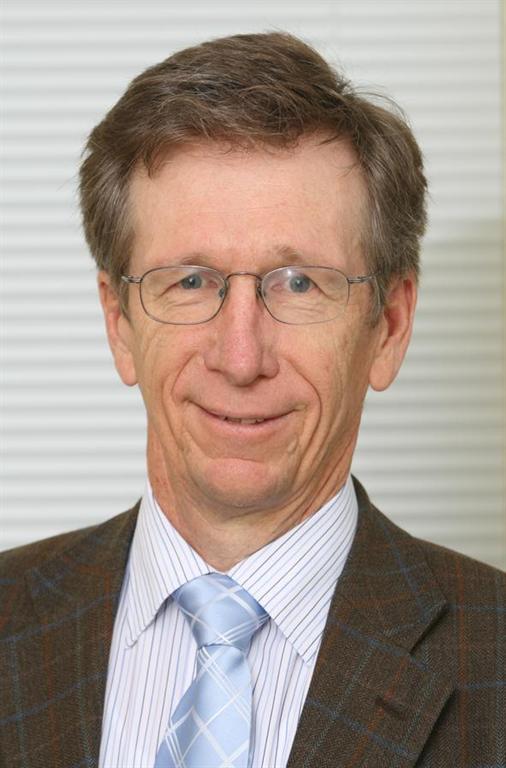 Professor John Simes Professor John Simes
Prof John Simes is Senior Principal Research Fellow and Director of the NHMRC Clinical Trials Centre (CTC), University of Sydney. He is undertaking clinical trials research, with particular interest in clinical trials in cancer, cardiovascular disease, diabetes and neonatal medicine. His research interests include clinical trials methodology and integrating trial evidence with the goal of improving clinical practice and health outcomes. He is the Director of the Sydney Catalyst translational research centre, a virtual centre of cancer researchers in central Sydney and regional NSW. Additionally, he is a member of the Interim Executive that formed in 2012 to drive the development of the Australian Clinical Trials Alliance (ACTA). Professor John Simes practices as a medical oncologist in neuro-oncology at Royal Prince Alfred Hospital and the Chris O’Brien Lifehouse. He has been awarded the Cancer Achievement Award by the Medical Oncology Group of Australia and the Distinguished Harvard Alum Award (Biostatistics) from Harvard University. He is a member of several research committees, trials groups and boards, including cancer cooperative groups and safety and data monitoring committees.
|
|
Dr Annette Tognela
Photo and bio available shortly.
|
|
Associate Professor Helen Wheeler
Photo and bio available shortly.
|
|
|
|
|
|
|